
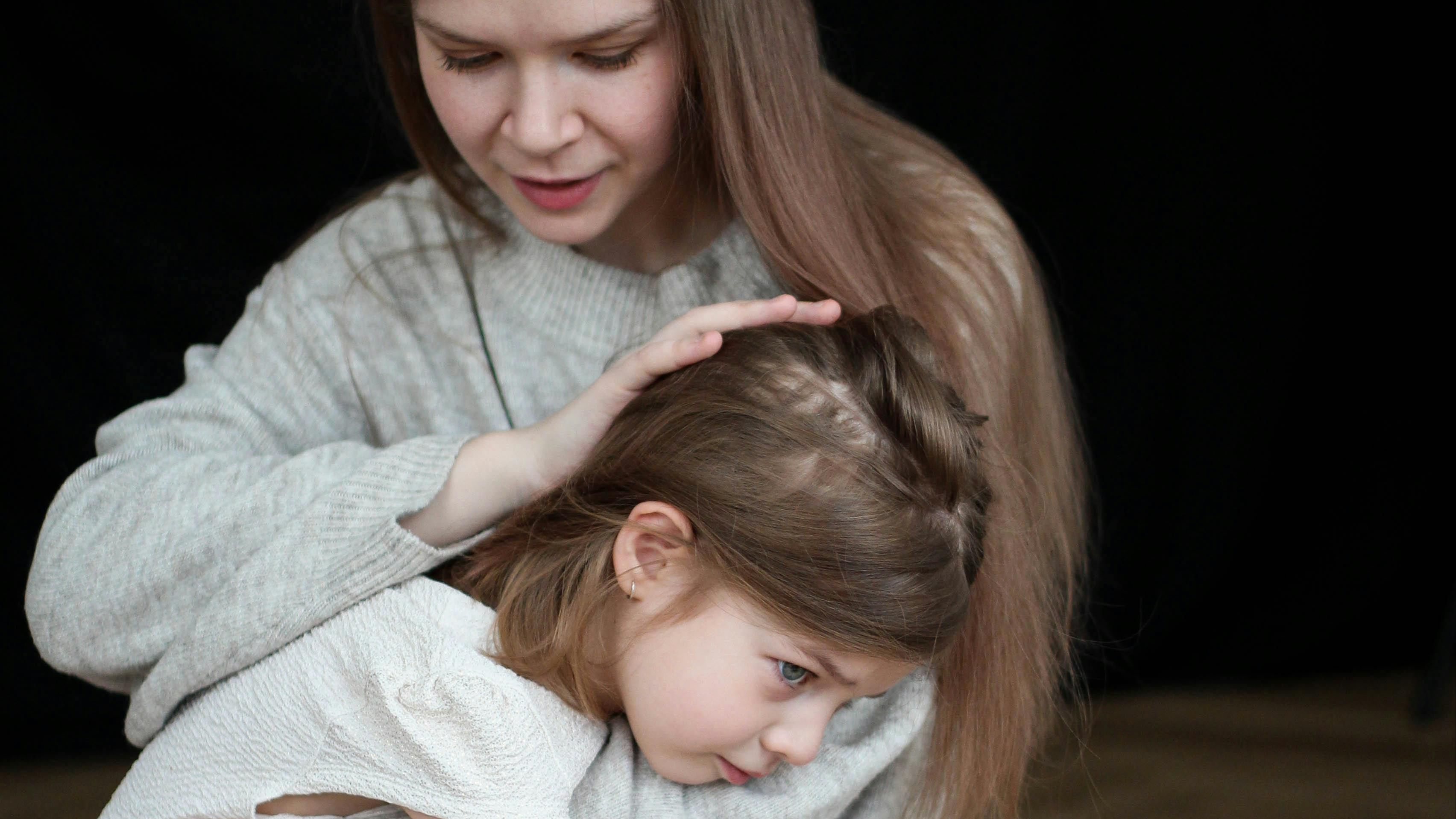
Why It Keeps Happening Again — Even When You Handled It So Well
May 10, 2026You stayed calm.
You used the right words.
You didn’t escalate the situation.
You responded the way everyone says you should.
And it worked.
Your child settled.
The moment passed.
Things became calm again.
But then it happened again.
Maybe the next day.
Maybe later that afternoon.
Maybe in the exact same situation that had already seemed “resolved”.
And suddenly you’re left wondering:
“What am I missing?”
This is one of the hardest parts of supporting children through overwhelm and dysregulation. Parents often feel confused because they did handle the moment well — and yet the same pattern keeps repeating.
But this is important to understand:
You are not doing it wrong.
You did not fail.
You did not miss some magical strategy.
In fact, what you did in that moment was probably exactly what your child needed.
Because when children become overwhelmed, their nervous system is often communicating:
“I can’t manage what’s being asked of me right now.”
When you respond calmly and supportively, you help your child feel safe enough to settle. You help their nervous system move out of protection mode and reconnect again.
That is powerful.
That matters deeply.
But settling is not always the same thing as building capacity.
Just because the moment improved does not automatically mean:
- the underlying skill is fully developed,
- the demand became easier,
- or the nervous system is ready to manage it independently next time.
And this is often why the same reactions keep happening.
If nothing changes after the moment, the child may return to the exact same demand with the exact same level of nervous system capacity. The same overwhelm builds, and the same response appears again — not because the child is choosing to repeat the behaviour, but because the nervous system still needs support to manage that challenge successfully.
This is where the time after the moment becomes incredibly important.
Once your child has settled, there is often a small window of opportunity to gently support growth. Not through pressure, lectures, or “teaching a lesson”, but through carefully reducing the challenge and helping the child experience success in a safer, more manageable way.
That might mean:
- simplifying the task,
- reducing the demand,
- adding more support,
- practising in smaller steps,
- or adjusting the environment.
The goal is not to force independence before the nervous system is ready.
The goal is to help the child experience:
“This is possible… and I can manage it safely.”
Sometimes the most helpful shift is moving away from asking:
“Why does this keep happening?”
and instead wondering:
“What might my child need next — not just during the moment, but after it?”
Because the moment itself matters enormously.
But what happens after the moment is often where long-term change begins.
Until then,
Beryl :)
Download the Free Co-Regulation Quick Guide: https://www.theregulationhourglass.com.au/trh-sign-course-opt-in-1
Stay connected with news and updates!
Join our mailing list to receive the latest news and updates from our team.
Don't worry, your information will not be shared.
We hate SPAM. We will never sell your information, for any reason.
